How we work.
A whole-body approach to finding and fixing the movement dysfunctions behind your pain, so it doesn't keep coming back.
Why conventional treatments often fall short.
Most approaches to chronic pain focus on the symptom site. Physio stretches the tight muscle. Chiro adjusts the stiff joint. Massage releases the knot. For a few days you feel better, until it comes back.
These treatments address the effect, not the cause. Your back pain might start with a pelvic shift. Your shoulder issue could come from a rib cage imbalance. If you only treat where it hurts, you're managing symptoms, not solving the problem.
The pattern we see most
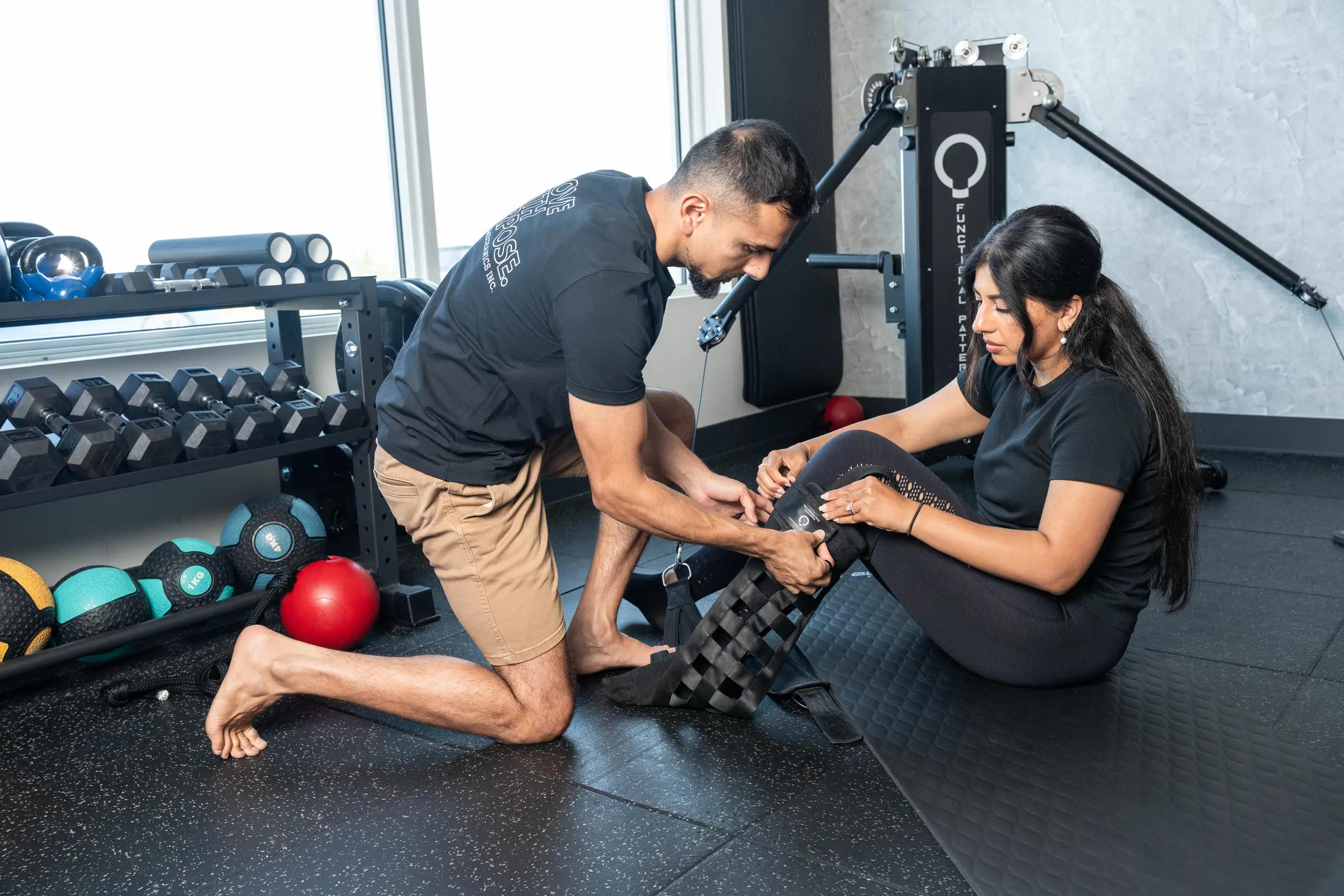
Clients come to us after years of physio, chiro, massage and personal training. They've had temporary relief, but never lasting change, because no one looked at how their whole body moves.
We treat your body as the whole unit it is.
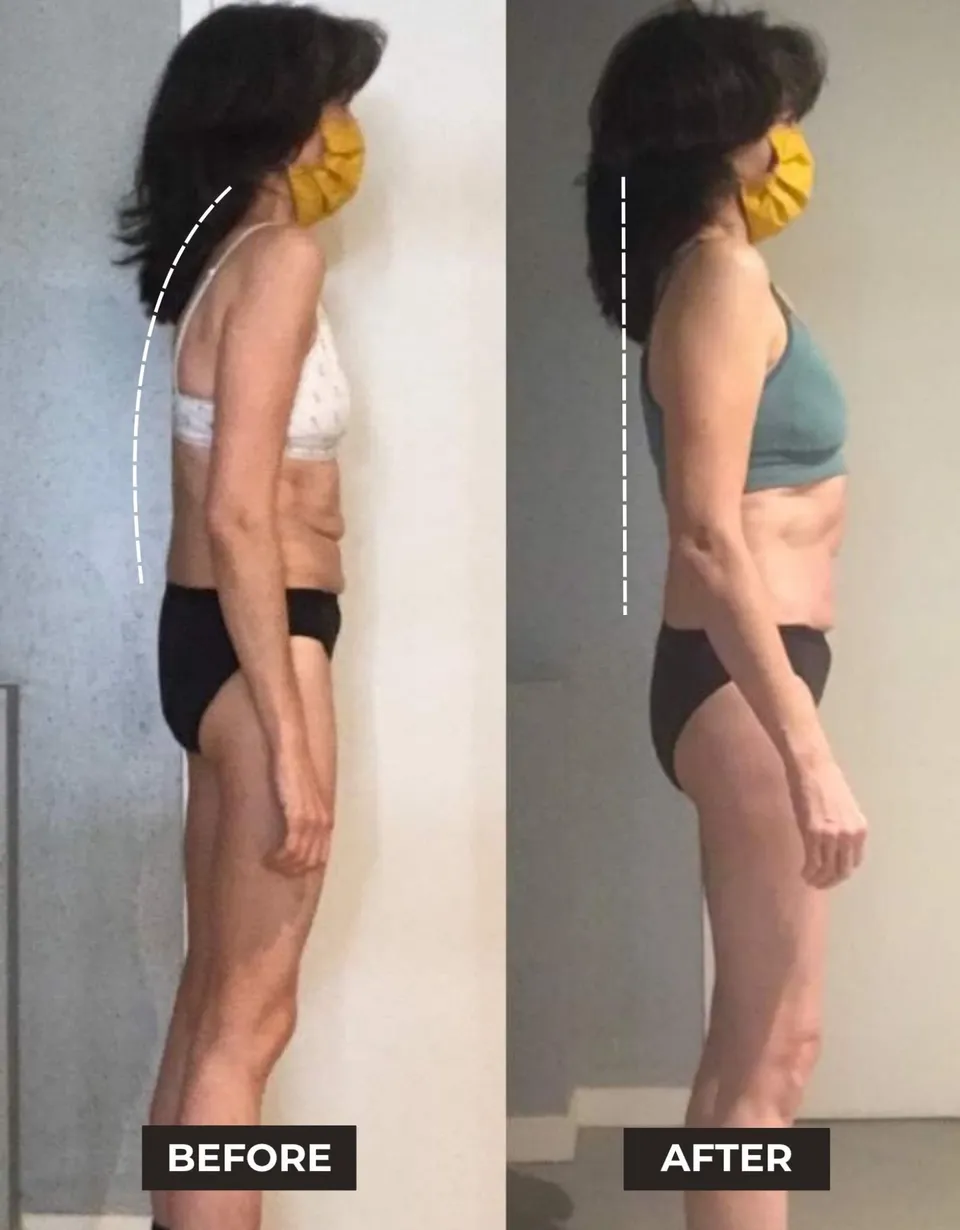
Instead of chasing symptoms, we analyse your gait and posture to find the root cause of dysfunction, then retrain your system through functional strength training.
The Functional Patterns big four
Standing
How you distribute weight and hold upright posture.
Walking
Your gait cycle, the foundation of human movement.
Running
Dynamic loading that reveals compensations under stress.
Throwing
Rotational power through the trunk and pelvis.
These four functions form the basis of your biological blueprint. Every exercise we prescribe ties back to how you perform them.
What we analyse.
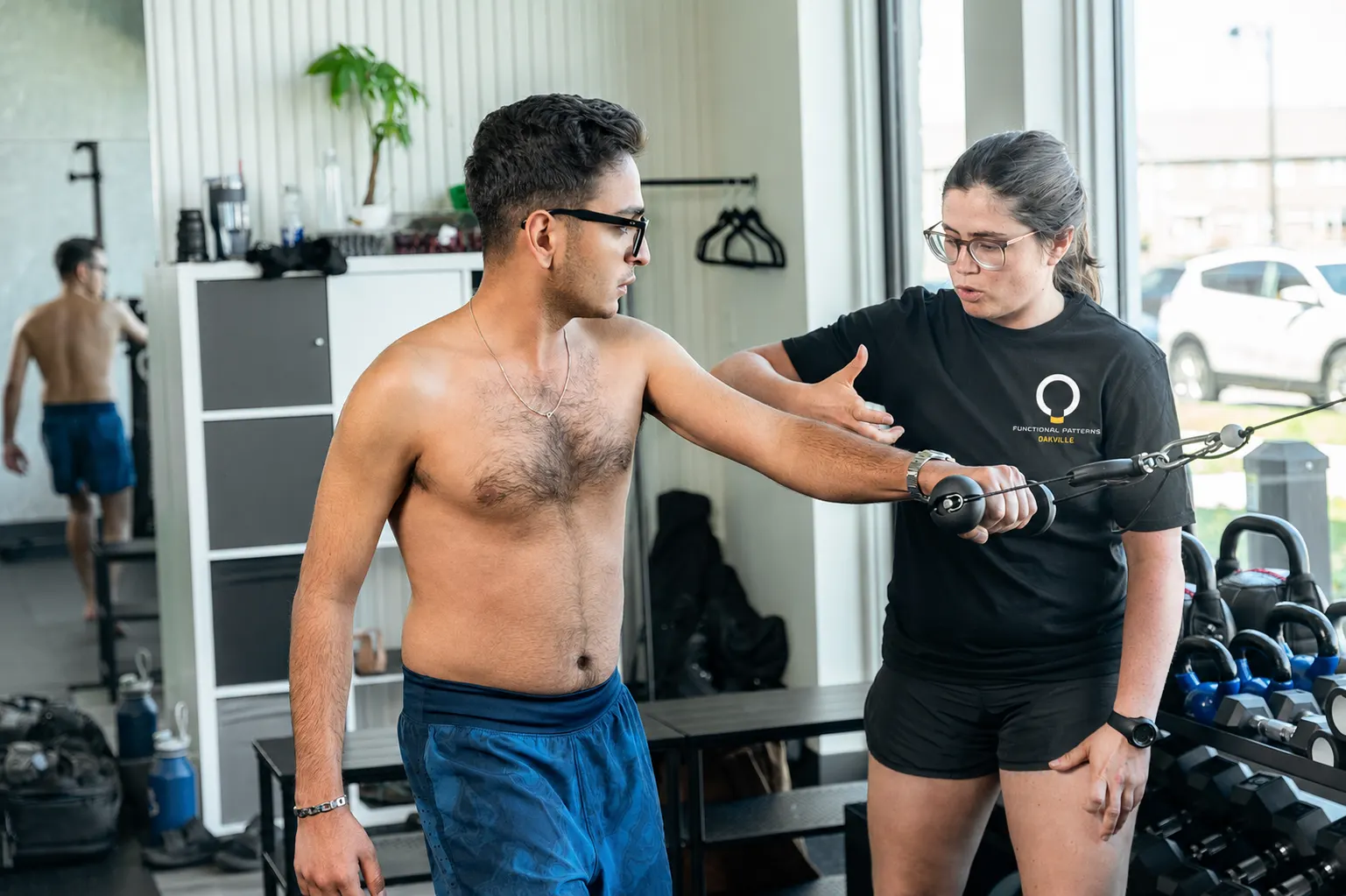
During your assessment we film you in slow motion from multiple angles to identify the specific dysfunctions driving your pain.
-
Asymmetries Imbalances between the left and right sides of your body.
-
Muscular atrophy and weakness Muscles that have switched off or are underdeveloped.
-
Drops and shifts Pelvic drop, hip collapse and spinal curvature during gait.
-
Dysfunctional movement patterns Compensations your body has built over years.
-
Rotation failures Inability to rotate properly through the trunk and pelvis.
What a session looks like.
Your 90-minute initial assessment gives you a complete picture of why your pain exists and what needs to change.
-
1
Gait analysis
Your walking is filmed from four angles in slow motion, revealing pelvic drops, rotation failures, stiffness and compensations invisible at normal speed.
-
2
Posture analysis
Assessed from four angles to identify spinal curvature, rib cage imbalances, pelvic shifts and structural asymmetries that contribute to your pain.
-
3
Movement screening
We test specific movement patterns to find dysfunctional sequencing, muscular atrophy, and where your body has built compensations over time.
-
4
Root cause diagnosis
We trace your symptoms back to their origin. Your back pain might start at the hip. Your shoulder problem could start at the pelvis.
-
5
Personalised correction plan
A targeted roadmap for your specific dysfunctions, with a clear explanation of what is happening in your body and why.
-
6
45+ minutes of corrective training
You start training in your first session: targeted corrective exercises, dynamic progressions and myofascial release.
Ongoing training that builds lasting change.
Your assessment gives us the roadmap. Ongoing sessions are where the change happens, rebuilding movement patterns that have been dysfunctional for years.
-
1–2 weekly 60-minute sessions Each session builds on the last, progressively retraining your movement system through functional strength training.
-
Homework between sessions Targeted exercises and corrections to practise at home. The work you do between sessions matters.
-
Progress tracking with video We re-film your gait regularly so you can see measurable change, not just feel it.
-
Progressive training elements Correctives, dynamic progressions, myofascial release, rib–pelvis alignment, hip stability and breathing mechanics.
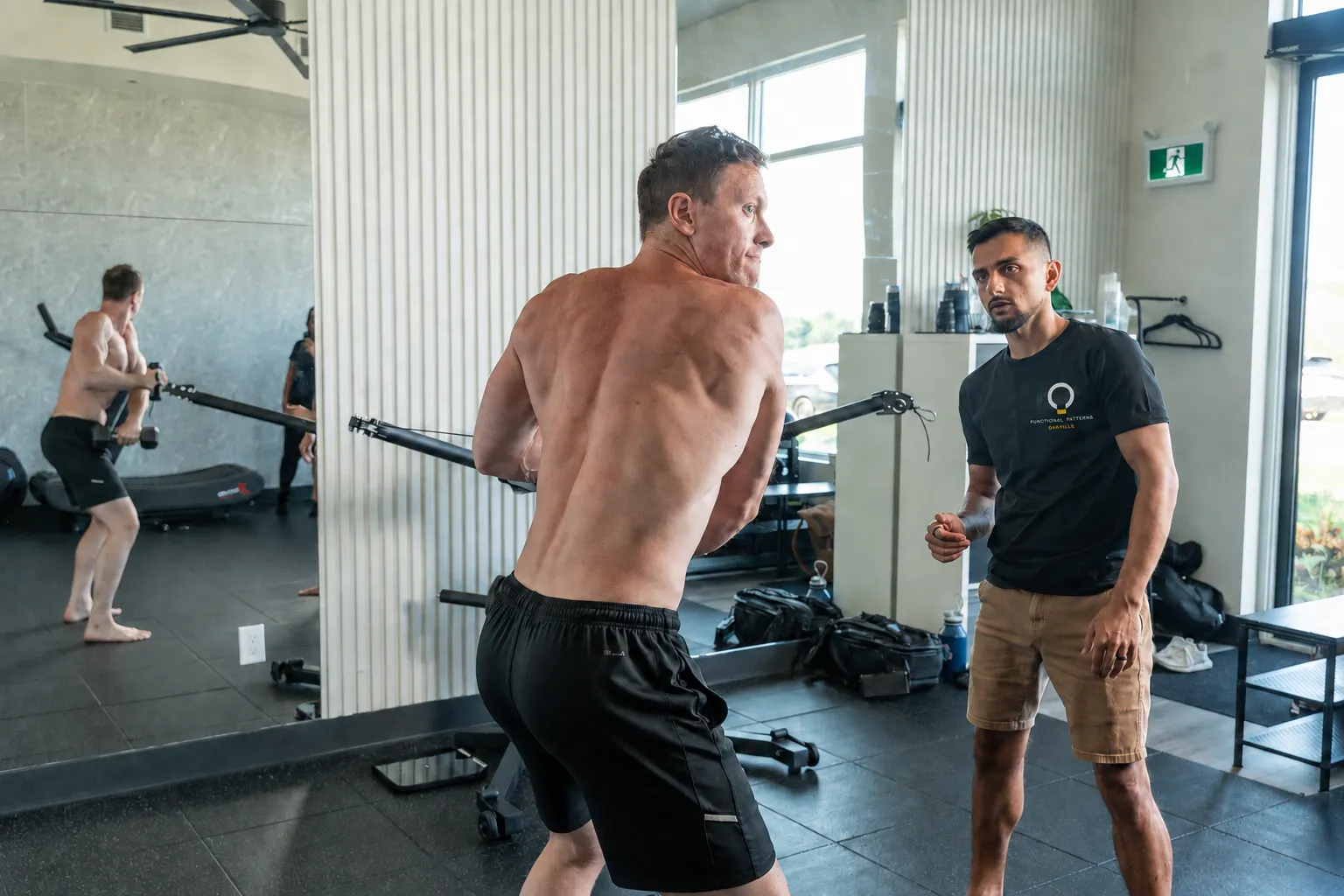
Start with a posture and gait assessment.
Ninety minutes for you to understand your patterns, your pain and a path towards change.